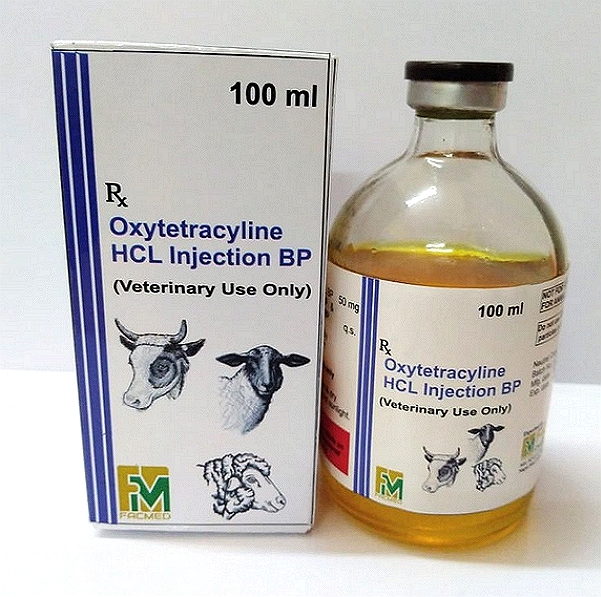
SSR Healthcare Oxytetracycline is a broad-spectrum antibiotic indicated for a variety of bacterial infections in cattle, calves, and swine.
INDICATIONS
SWINE
– Used for bacterial pneumonia caused by Pasteurella multocida, bacterial enteritis (scours, colibacillosis), and to aid in the control of infectious enteritis in suckling pigs and leptospirosis. Other conditions treated include erysipelas and atrophic rhinitis, Bacterial enteritis (scours, colibacillosis), Pneumonia, and Leptospirosis. Used for control of infectious enteritis in suckling pigs via treatment of the sow
– SHEEP & GOATS
Commonly used for pneumonia, foot rot, and bacterial enteritis. It can also be used in the management of abortion outbreaks.
– HORSES
– DOGS & CATS
Veterinarians often use this product “off-label” for conditions like respiratory infections, wound infections, and oral cavity infections. It is also indicated for tick-borne diseases such as Rocky Mountain spotted fever, Lyme disease, and ehrlichiosis. In cats, it is used to treat conjunctivitis, particularly if associated with Chlamydia.
– CATTLE
- Pneumonia and shipping fever (bovine respiratory disease)
- Infectious bovine keratoconjunctivitis (pink eye)
- Foot rot and diphtheria
- Bacterial enteritis (scours)
- Wooden tongue
- Leptospirosis
- Wound infections and acute metritis
ADMINISTRATION
- The specific dosage and administration route (IM, SC, or IV) vary based on the animal’s weight, the severity of the condition, and the concentration of the product (e.g., 100 mg/mL or 200 mg/mL).
- General Dosing: A common daily dosage is 3 to 5 mg per pound of body weight, continued for 24 to 48 hours after symptoms subside, but not exceeding four consecutive days.
- Single-Dose “LA” (Long-Acting) Formulations: Some products offer a single, higher dose (e.g., 9 mg/lb or 13.6 mg/lb) for conditions like bacterial pneumonia or pink eye in situations where repeated handling of the animal is impractical.
- Injection Sites:
- Intramuscular (IM) and Subcutaneous (SC): Injections are typically given in the thick muscle mass of the neck. According to Beef Quality Assurance guidelines, IM injections in cattle are not generally recommended due to potential muscle discoloration, making the SC or IV routes preferable.
- Intravenous (IV): Administration must be done slowly, over a period of at least five minutes, to prevent animal collapse.