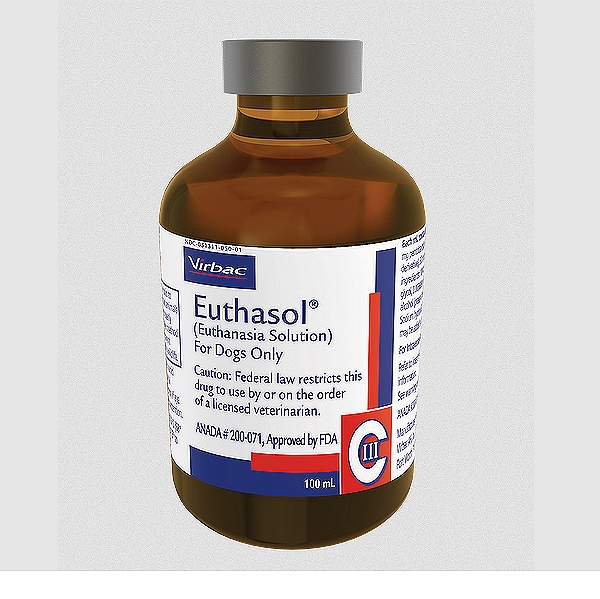
Pentobarbital Sodium a highly-toxic parenteral solution specifically designed for rapid, painless and humane euthanasia of animals, though it also serves as a general anesthetic or seizure control in specific situations.
INDICATIONS
Humane Euthanasia: Indicated for the fast, painless, and irreversible termination of life in various species.
- Target Animals: Commonly used for dogs, cats, horses, cattle, pigs, rabbits, rodents, birds, and reptiles.
- Action: It works by sequentially depressing the cerebral cortex, lungs, and heart, leading to deep anesthesia, respiratory arrest, and circulatory collapse.
Secondary and Specialized Indications
- Medical Management:
- Emergency Seizure Control: Used for Managing acute convulsive episodes, such as those caused by strychnine poisoning, status epilepticus, or tetanus.
- Refractory Status Epilepticus: Preferred for treatment due to rapid brain penetration.
- Anesthesia and Sedation:
- General Anesthesia: Used in laboratory animal medicine as an anesthetic for small animals like rats and mice during experimental procedures.
- Pre-anesthetic Sedation: Can be used at low doses to induce sedation before surgery or medical procedures.
ADMINISTRATION
- Intravenous (IV) Injection (Preferred): This is the recommended and preferred route for most animals because it ensures the fastest, most reliable onset of action, leading to a smooth and rapid loss of consciousness and death. A pre-inserted IV catheter is often used, especially in larger animals, to ensure secure placement and prevent the drug from leaking into surrounding tissues, which can be painful due to the drug’s alkaline nature.
- Intracardiac (IC) Injection: This method may be used when intravenous access is difficult, such as in very small or comatose animals with poor circulation. It is mandatory that the animal is deeply sedated or completely unconscious before an intracardiac injection is performed to avoid pain or distress.
- Intraperitoneal (IP) Injection: For small animals, like rodents, rabbits, and some small dogs and cats, the intraperitoneal route may be used if IV access is impractical. As with intracardiac injections, the animal must be heavily sedated or anesthetized first. This method takes longer to work than IV injection.
- Intraorgan Injections: For some species and circumstances, injections into organs such as the liver or kidneys may be used, but only after the patient is fully unconscious.
Reviews
There are no reviews yet.