USD
  • Dollar (USD)
  • Euro (EUR)

Thiamine

Home/T/Thiamine

Thiamine

In Stock

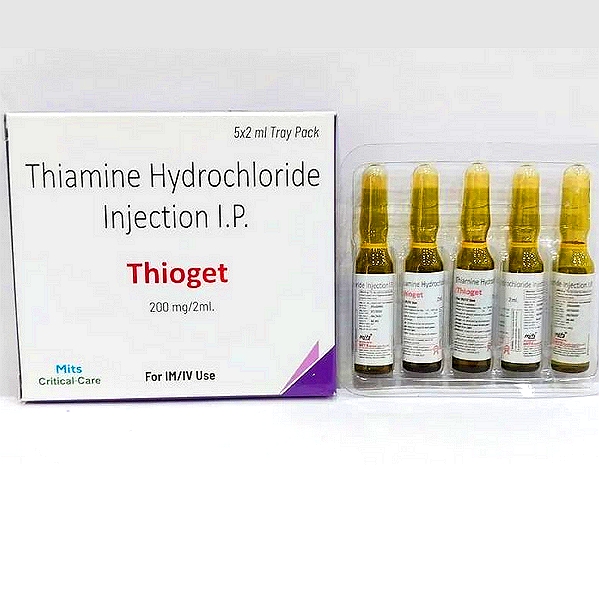
Thiamine Injection

Thiamine injection is a parenteral supplement used for the treatment and prevention of thiamine (Vitamin B1) deficiency in dogs, cats, horses, cattle, and sheep, which can cause severe neurological and metabolic problems.

Thiamine injection is indicated for the treatment and prevention of thiamine (Vitamin B1) deficiency in various animal species.

INDICATIONS

  • – Loss of appetite (anorexia) and weight loss
  • – Vomiting and depression
  • – Neurological signs: incoordination, a crouching gait, a wide-based stance, head pressing, “star-gazing,” tremors, seizures, and paralysis
  • – In cats, a characteristic sign can be ventroflexion of the neck, where the head is held down towards the chest
  • – In ruminants (cattle, sheep), symptoms of PEM include blindness, an abnormal gait, and arching of the head back 

Metabolic Indications 

  • Thiamine Deficiency: Treatment and prevention of vitamin B1 deficiency caused by poor diet (e.g., uncooked meat or specific raw fish containing thiaminases), malnutrition, or chronic illness.
  • Polioencephalomalacia (PEM): Also known as cerebrocortical necrosis, this is a critical brain degeneration in cattle, sheep, and goats often caused by rumen-based thiamine deficiency.
  • Metabolic Disorders: Used as an adjunct therapy for metabolic disorders in cattle and as a supplement for newborns with nutritional deficiencies.
  • Support for “Hard Working” Animals: Essential for energy production in performance horses or working dogs, helping to break down lactic and pyruvic acids in muscles. 
Neurological and Toxicology Indications
  • Neurological Disturbances: Indicated for seizures, ataxia (incoordination), and “star gazing” posture in ruminants.
  • Lead Poisoning: Used as an adjunctive treatment in cattle and dogs to mitigate neurological effects.
  • Ethylene Glycol (Antifreeze) Toxicity: Often administered as supportive therapy for cats and dogs suspected of antifreeze ingestion.
Secondary and Behavior-Related Indications
  • Calming Effect: High doses are sometimes used in horses and dogs to help calm nervous or over-excitable animals.
  • Anorexia and Fatigue: Indicated for pets and livestock experiencing a loss of appetite, severe weight loss, or general muscle weakness.
  • Secondary Anemia: Can be used as a supportive medicine for anemia or parasitic infections. 

ADMINISTRATION

  • Intramuscular (IM): This is a common and often recommended method, as it leads to fast absorption due to good blood supply in the muscle tissue.
  • Subcutaneous (SC): This route involves injecting the medication just under the skin and may be used, particularly for dogs and cats, or if advised by a veterinarian.
  • Intravenous (IV): This method should be used with caution, administered slowly, and often involves diluting the thiamine with a sodium chloride or glucose solution. Rapid IV administration or high doses can cause serious side effects, including hypotension, cardiac issues, or neuromuscular blockade

Reviews

There are no reviews yet.

Be the first to review “Thiamine”

Your email address will not be published. Required fields are marked *

No shipping rates are available for this product.
Your Cart
0

Your cart is empty.

Return to Shop
Added to cart