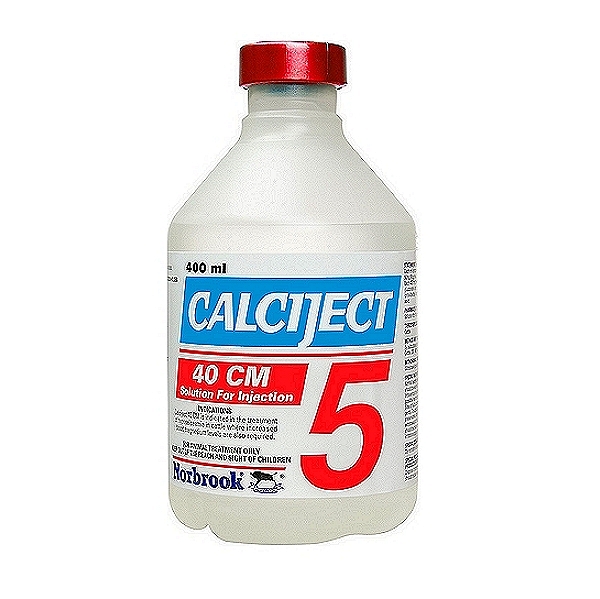
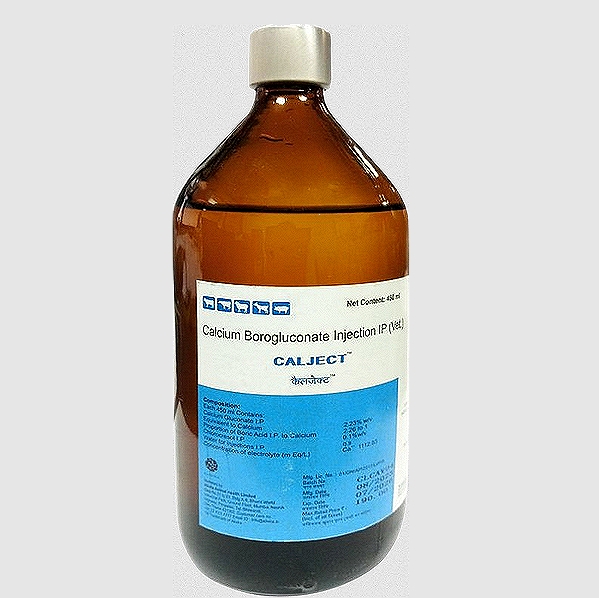
IMS Calcium chloride injection is used for systemic intravenous, and medical emergencies in dogs, cats, goats, and rats.
INDICATIONS
- Hypocalcemia: A condition characterized by low blood calcium levels.
- Eclampsia (Milk Fever): A life-threatening condition in pregnant or lactating female animals, especially dogs and cats.
- Toxin Antagonism: Acting as a physiological antagonist to potassium in cases of hyperkalemia (high potassium levels) or as an adjunctive treatment for certain poisonings like lead or fluoride.
- Cardiac Stimulation: Acting as a positive inotrope, it may be used as a heart stimulant if other medications like epinephrine have failed.
For sterilization of male animals, including dogs, cats, goats, and rats.
- Mechanism: When injected directly into the testicles (intratesticular injection), the solution acts as a sclerosing agent, causing the necrosis (death) and atrophy of testicular tissue.
- Effects: This results in permanent sterility (azoospermia) and a significant, long-term reduction in testosterone levels, which also lessens sex-related behaviors like aggression and mounting.
ADMINISTRATION
- Route of Administration: Strictly intravenous injection or slow intravenous infusion. It should not be administered via intramuscular or subcutaneous routes due to the high risk of tissue damage and sloughing.
- Speed of Injection: The injection must be administered slowly. A maximum rate of 1 mL per minute (for a 10% solution) is typically recommended to avoid adverse effects like sudden drops in blood pressure, heart arrhythmias, or cardiac syncope.
- Vein Selection: Use a large, deep vein (such as the jugular vein in cattle) to minimize venous irritation. This helps prevent high concentrations of calcium from reaching the heart too quickly.
- Monitoring: The animal’s heart activity (ECG), blood pressure, and plasma calcium levels should be monitored closely during administration. The injection should be stopped if the patient shows signs of discomfort or pain at the injection site.