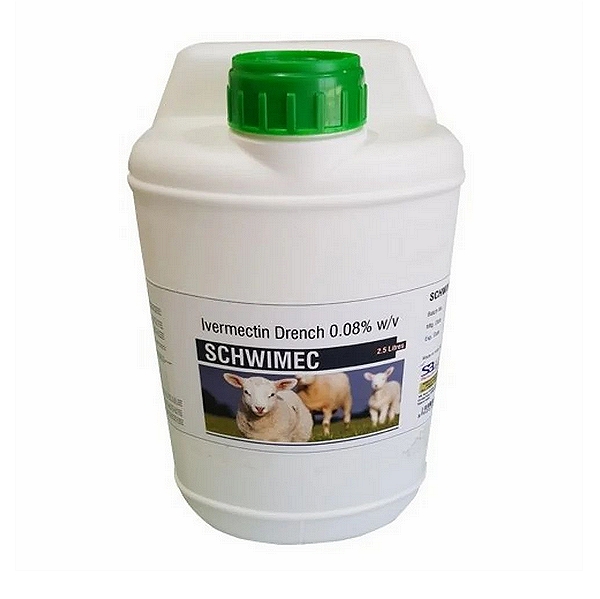
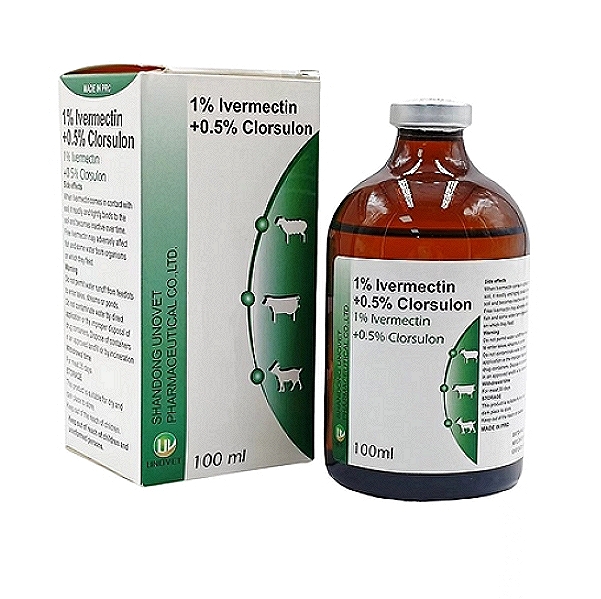
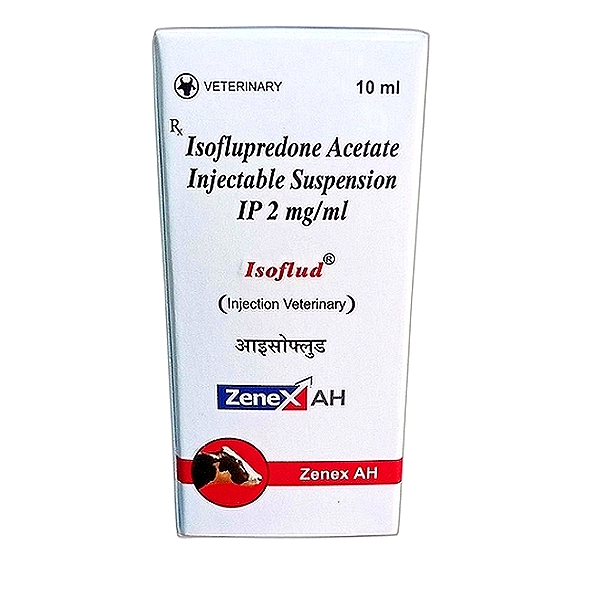
Ivermectin oral drench is a broad-spectrum parasiticide indicated for the treatment and control of gastrointestinal roundworms, lungworms, and nasal bots in sheep, goats, and sometimes horses.
INDICATIONS
- Gastrointestinal Roundworms:
- Haemonchus contortus (barber pole worm)
- Ostertagia circumcincta (small stomach worm)
- Trichostrongylus axei (stomach hair worm)
- T. colubriformis (black scour worm)
- Cooperia curticei (small intestinal worm)
- Nematodirus spathiger (thread-necked intestinal worm)
- N. battus (large-mouthed intestinal worm)
- Oesophagostomum columbianum (nodular worm)
- H. placei (adults only)
- Cooperia oncophora (adults only)
- Strongyloides papillosus (adults only)
- Oesophagostomum venulosum (adults only)
- Trichuris ovis (adults only)
- Chabertia ovina (adults only)
- Lungworms: Dictyocaulus filaria (adult and immature forms)
- Nasal Bots: All larval stages of Oestrus ovis
ADMINISTRATION
Ivermectin oral drench is administered directly into the animal’s mouth, over the back of the tongue, using a drench gun or syringe. This method ensures the medication is swallowed and effective, and is specific to the species indicated on the product label.
Determining the appropriate volume to administer involves accurately weighing the animal. Using a standard drenching gun or syringe is recommended, ensuring the equipment is clean and calibrated for accurate delivery.
Gentle but secure restraint of the animal is important to prevent injury during administration. To administer, place your hand under the animal’s head, tilt it slightly, and insert the drench gun or syringe nozzle into the side of the mouth, between the molar and incisor teeth, and then over the back of the tongue. Depress the plunger gently to deposit the dose at the back of the tongue, which helps ensure it is swallowed properly. Briefly holding the animal’s mouth closed and observing can confirm swallowing of the entire dose.