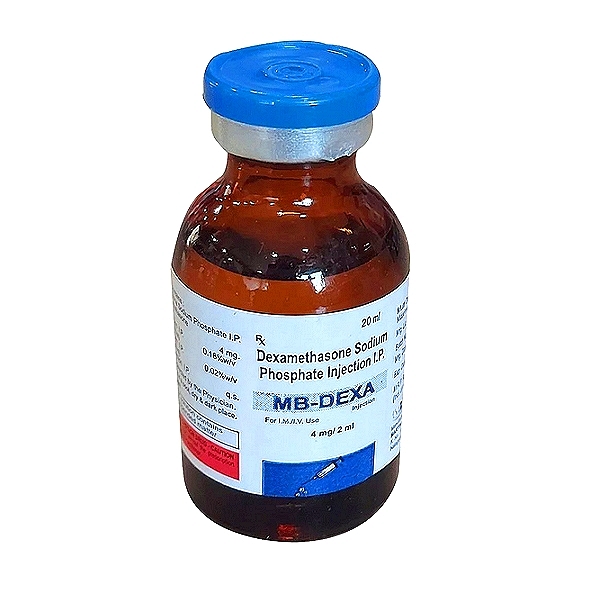
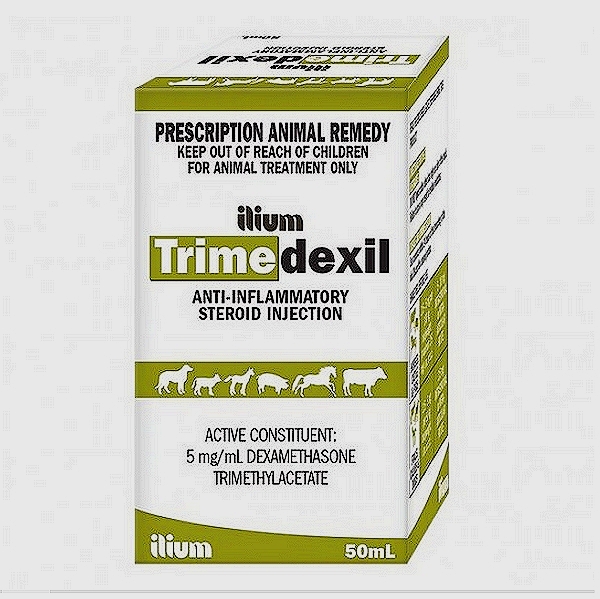
Pharma Chemico Labs MB-DEXA Dexamethasone is a potent synthetic corticosteroid indicated for conditions requiring rapid anti-inflammatory or glucocorticoid effects in horses, cattle, dogs, and cats.
INDICATIONS
- Horses:
- Acute musculoskeletal inflammations: Includes arthritis, bursitis, tendonitis, sprains, and myositis.
- Allergic reactions: Such as hives (urticaria) and itching.
- Equine respiratory disorders: Management of conditions like asthma, heaves, or recurrent airway obstruction (RAO).
- Supportive therapy: Used in cases of laminitis, fatigue, heat exhaustion, and retained placenta, provided the primary cause is addressed.
- Dogs and Cats:
- Emergency situations: High doses are used for anaphylactic reactions, spinal cord trauma, or shock.
- Immune-mediated diseases: Treatment of conditions such as immune-mediated hemolytic anemia (IMHA) or thrombocytopenia.
- Allergic reactions: Management of asthma flare-ups, itching, and various skin conditions (dermatoses, eczema).
- Inflammatory diseases: Short-term use for inflammatory conditions like arthritis or certain gastrointestinal or neurological diseases.
- Certain cancers: Part of a treatment protocol for specific cancers like lymphoma or leukemia.
- Adrenal function testing: Used as a diagnostic agent for testing adrenal function, such as diagnosing Cushing’s syndrome.
- Cattle:
- Primary bovine ketosis (acetonemia): Promotes gluconeogenesis, rapidly normalizing blood glucose levels.
- Supportive therapy: Used in conditions like mastitis, metritis, pneumonia, or shipping fever, to combat stress and improve general well-being alongside specific antimicrobial therapy.
- Induction of parturition: Can be used in the last trimester of pregnancy, though this use requires careful veterinary supervision due to risks like retained placenta.
ADMINISTRATION
- Intravenous (IV): This route is used when a rapid and intense hormonal or anti-inflammatory effect is required, such as in emergencies or for shock treatment. The injection should be administered slowly, often over a minimum of 3 minutes, to avoid potential side effects like cardiovascular collapse.
- Intramuscular (IM): This is another common systemic administration route, allowing for the drug to be absorbed into the body.
- Subcutaneous (SC): Some veterinarians may use the subcutaneous route, particularly in small animals for certain conditions, as it is often well-tolerated.
- Local Injections: For specific localized inflammatory conditions (e.g., certain types of arthritis, bursitis, or tendonitis), the injection can be administered directly into the affected joint (intra-articular) or soft tissue. These methods require specialized techniques and should only be performed by clinicians familiar with the procedure.