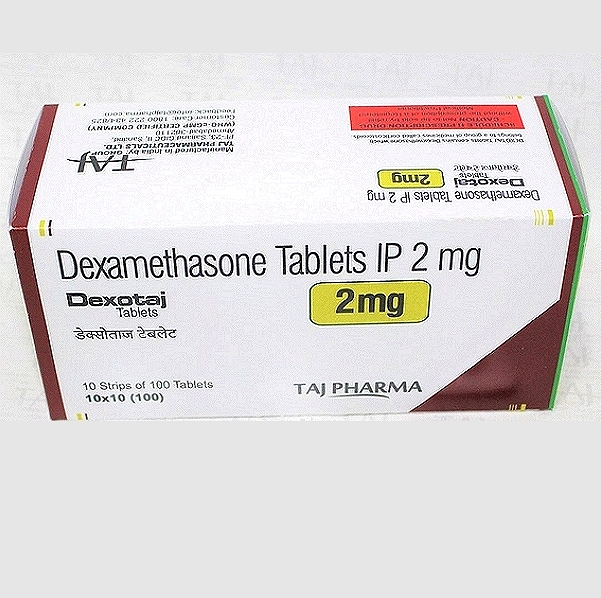
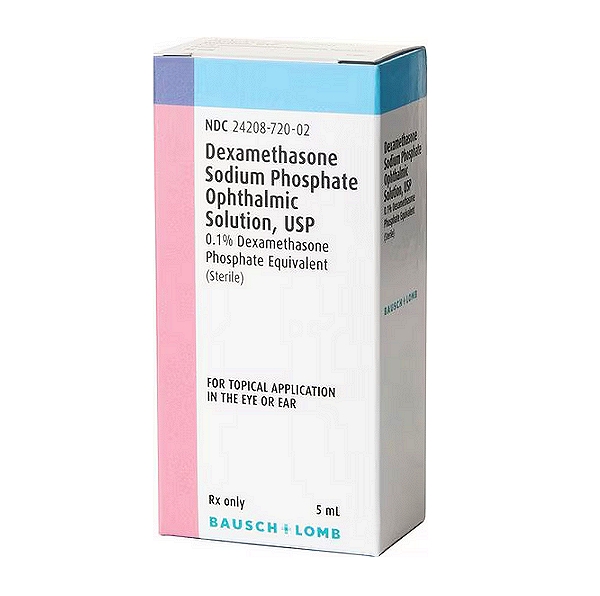
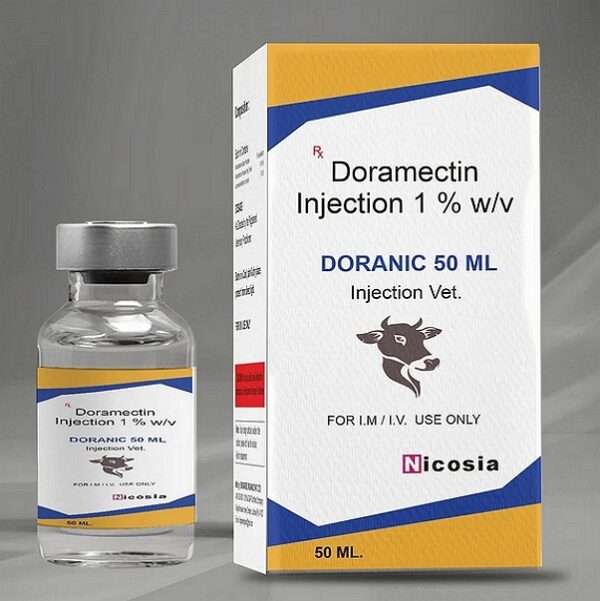
Dexamethasone is a synthetic corticosteroid used to treat a variety of immune-mediated conditions in animals including inflammation, severe allergies, arthritis, asthma, blood or bone marrow problems, kidney problems, and skin conditions.
INDICATIONS
- Inflammatory Diseases: Management of various inflammatory conditions, including arthritis, colitis, and certain skin conditions.
- Allergic Reactions: Treatment of severe allergies, such as asthma, hives, itching, and allergy-triggered bronchitis.
- Autoimmune Disorders: Management of immune-mediated diseases where the immune system attacks its own tissues, such as immune-mediated hemolytic anemia or thrombocytopenia.
- Neurological Conditions: Addressing inflammation associated with certain spinal cord illnesses and brain inflammation.
- Oncology: Use in combination with other medications as part of a treatment regimen for certain types of cancer.
- Adrenal Hormone Deficiencies: Used in cases of adrenal insufficiency (e.g., Addison’s disease) to replace deficient natural steroids.
- Bovine Ketosis (Cattle): Treatment of primary bovine ketosis due to its gluconeogenic effects, which rapidly raise blood sugar levels.
- Equine Respiratory/Musculoskeletal Conditions (Horses): Treatment of chronic obstructive pulmonary disease (heaves) and acute musculoskeletal inflammations like bursitis, tendonitis, and sprains.
ADMINISTRATION
- Oral Use: The primary method of administration for the tablet form is by mouth, either given directly to the pet or hidden in a small amount of food or a treat.
- With Food: It is highly recommended to give the tablets with food or immediately after a meal to prevent gastrointestinal upset. If vomiting or nausea occurs when dosed on an empty stomach, future doses must be given with food.
- Do Not Stop Abruptly: If the animal has been on the medication for more than a few weeks, do not stop administering it suddenly. The dosage needs to be tapered down gradually under veterinary supervision to prevent serious side effects related to adrenal gland function suppression.
- Follow Dosage: Always adhere to the exact dosage and frequency prescribed by your veterinarian. The dose depends on the condition being treated (e.g., anti-inflammatory vs. immunosuppressive action), the animal’s species, weight, and overall health.
- Missed Dose: If a dose is missed, give it as soon as you remember. However, if it is close to the time for the next scheduled dose, skip the missed dose and return to the regular schedule. Do not double dose.