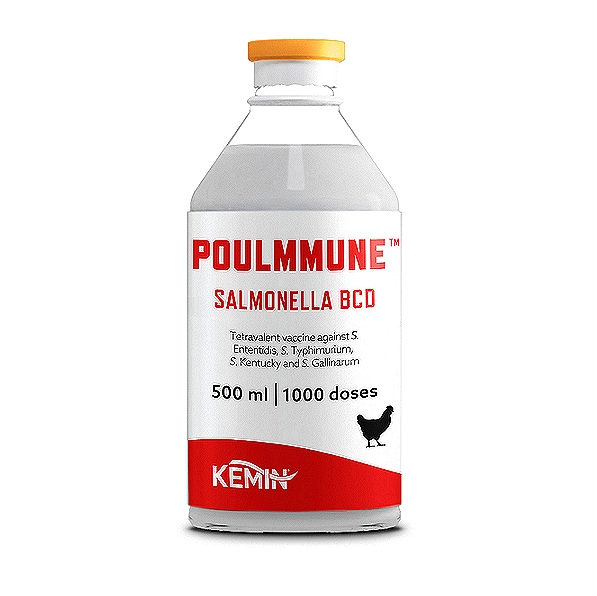
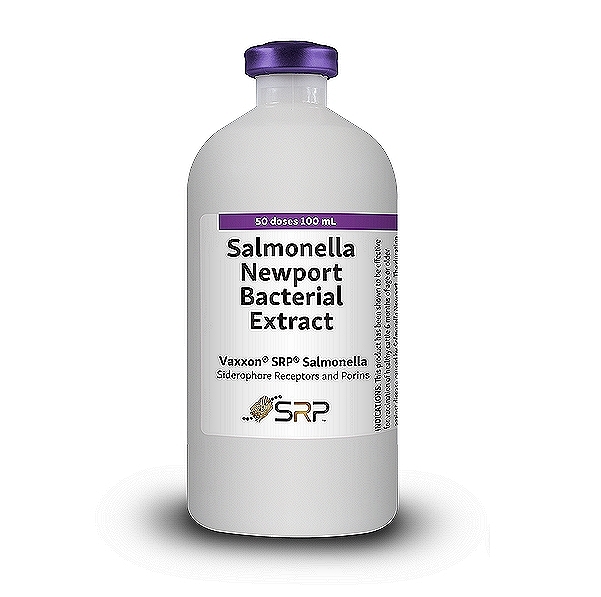
Vaxxinova Autogenous SRP vaccine is indicated for the control and prevention of Salmonella Kentucky in livestock and poultry.
INDICATIONS
- Targeted Protection: Used to control specific bacterial infections, including Salmonella spp. (e.g., S. Newport, S. Enteritidis), E. coli, and Pasteurella multocida (fowl cholera) in poultry and livestock.
- Reduction of Clinical Disease: Helps reduce mortality, morbidity, and clinical signs (such as diarrhea) associated with bacterial infection.
- Reduced Fecal Shedding: Effectively reduces the amount of pathogenic bacteria shed in the feces, which helps control the spread of disease within a herd or flock.
- Reduced Bacterial Load: Used to reduce reproductive organ colonization in poultry, which is critical for preventing vertical transmission.
- Improved Production Performance: Shown to improve production parameters, such as reducing somatic cell counts and maintaining milk production in dairy herds facing Salmonella or Klebsiella challenges.
Target Species
- Poultry: Breeder turkeys, chickens, and laying hens.
- Bovine: Dairy and beef cattle.
ADMINISTRATION
Poultry Administration (Chickens/Hens)
- Method: Subcutaneous (SC) injection is a common method, typically in the back of the neck.
- Alternative Method: Intramuscular (IM) injection.
- Dosage: Studies indicate a 0.25 mL dose is used.
- Protocol: Often administered in a two-dose regimen, such as at 10 or 12 weeks of age, with a booster 3–8 weeks later.
Cattle Administration
- Method: While the search results primarily detail poultry, SRP vaccines for cattle are generally administered subcutaneously.