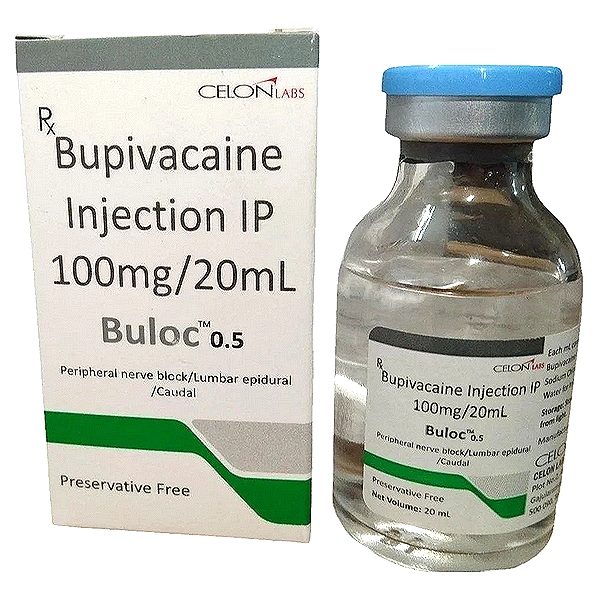
CELON Bupivacaine injection is used for local or regional anesthesia and analgesia during and after surgical, diagnostic, and obstetric procedures.
INDICATIONS
- Local tissue infiltration: Used to numb the immediate area around a surgical site or wound closure.
- Epidural/Spinal blocks: Injected into the epidural space to provide regional anesthesia and pain relief, such as for perineal, urogenital, or obstetric procedures.
- Peripheral nerve blocks: Targets specific nerves to desensitize a region distal to the injection site, useful for limb surgeries, paw injuries, or dental procedures.
- Intra-articular/Peri-articular infiltration: Used around or into joints to manage pain, though the standard formulation may be chondrotoxic and careful consideration is needed.
- Other regional blocks: Includes intercostal nerve blocks (for chest surgeries) and intrapleural anesthesia.
ADMINISTRATION
- Surgical Analgesia: It is widely used to manage pain during and following surgeries, with its effects typically lasting several hours (around 4–8 hours for the standard formulation).
- Local Infiltration: Bupivacaine is commonly injected directly into the tissue around a surgical site or wound to provide targeted pain relief (e.g., around an incision during an ovariohysterectomy or celiotomy).
- Nerve Blocks: It is administered near specific nerves to block pain signals from a larger region. This is particularly common in dental procedures (e.g., infraorbital or palatine nerve blocks) and orthopedic surgeries.
- Epidural/Spinal Anesthesia: Bupivacaine can be injected into the epidural space around the spinal canal to provide regional anesthesia, often in combination with other analgesics like opioids.
- Multimodal Pain Management: It is often used as part of a multimodal analgesia plan, combining different types of pain relief methods to manage pain more effectively and reduce the need for general anesthesia or systemic opioids, which can have side effects.